🚀 Why Businesses Are Adopting AI Voice Agents
An AI voice agent is an intelligent software system that can understand spoken language, process intent, and respond conversationally using synthesized speech.
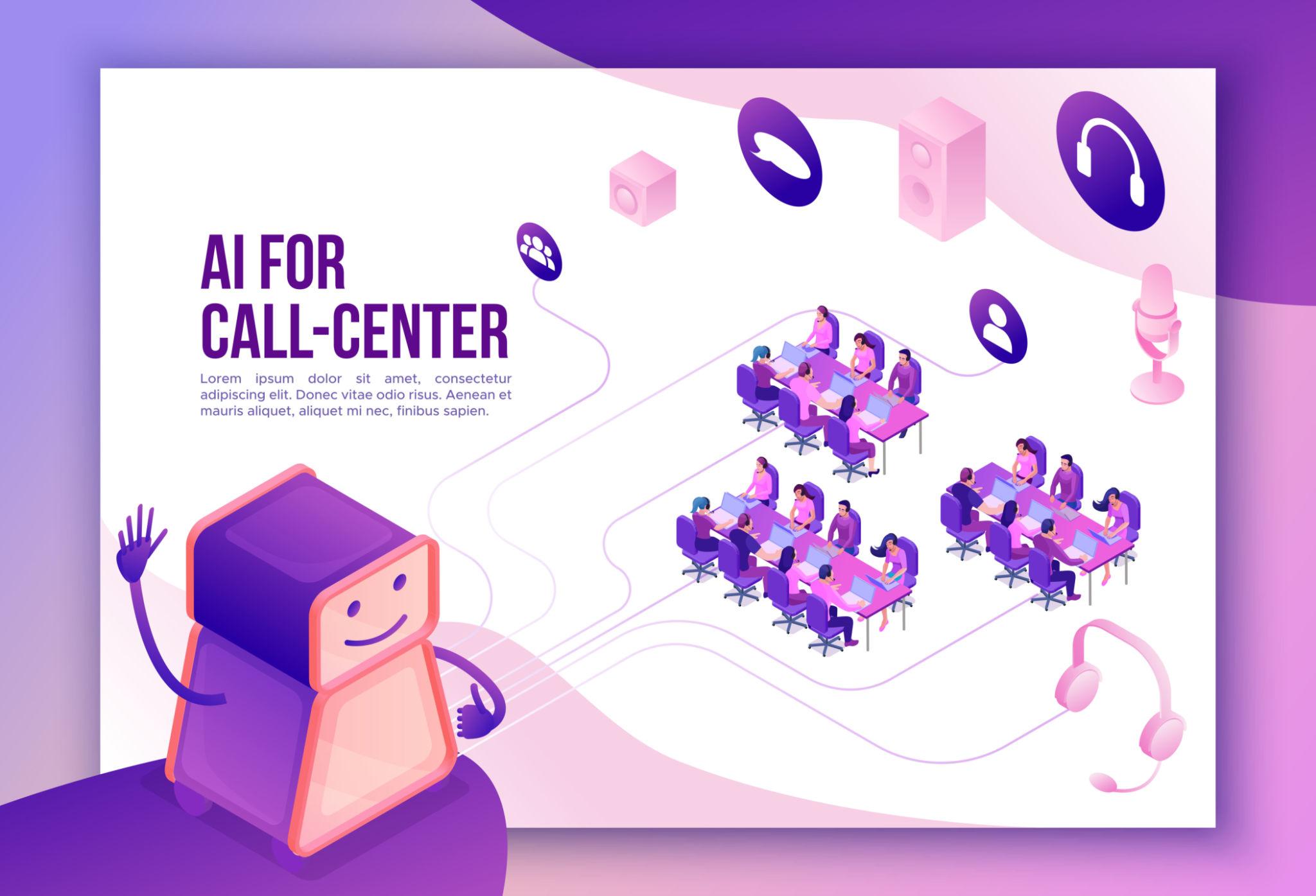
They function as digital employees capable of handling calls, bookings, customer support, sales qualification, and more.
✅ Key Drivers- 24/7 availability
- Reduced labor cost
- Faster response time
- Consistent customer experience
- Scalability without hiring
Companies can handle thousands of conversations simultaneously.
✨ Real-World Use Cases
- Customer Support AI agents answer FAQs, troubleshoot problems, and route complex cases to humans.
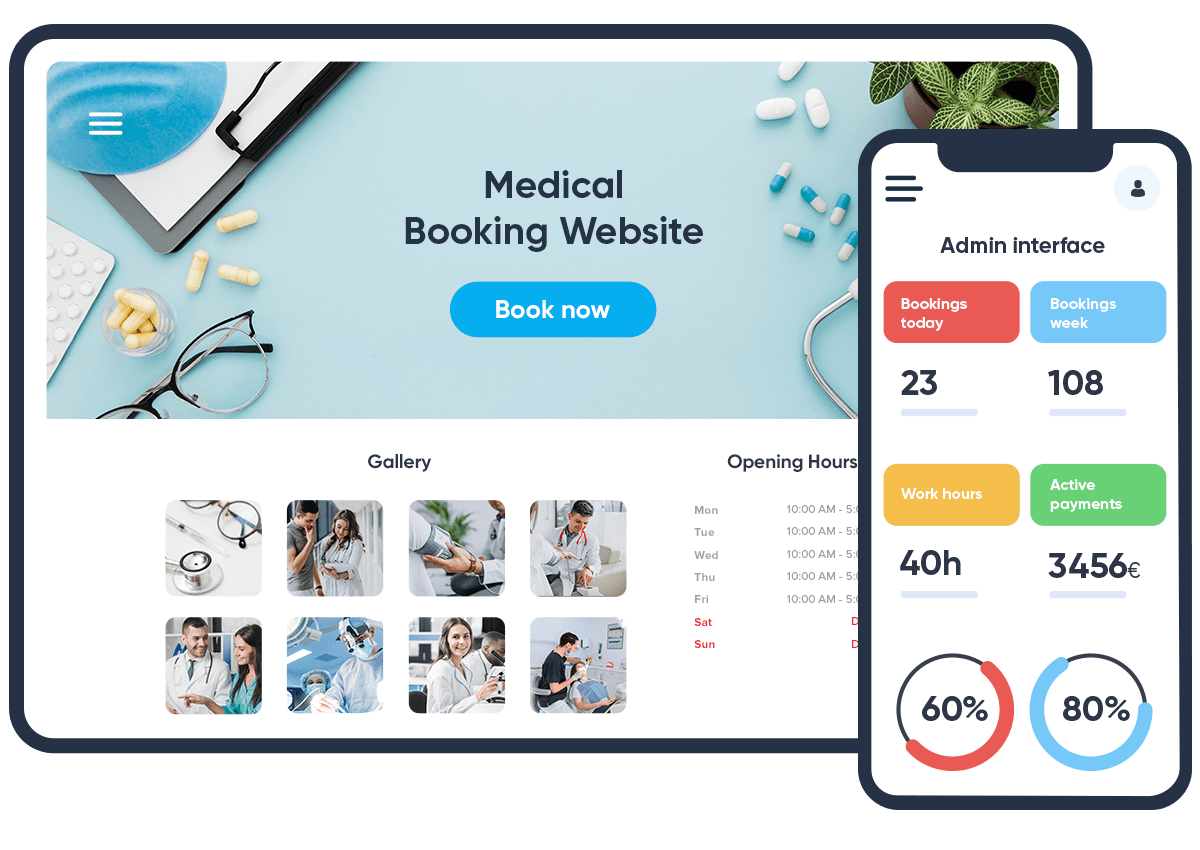
- Appointment Booking Healthcare, salons, and service businesses automate scheduling.
- Sales Qualification AI calls leads, asks questions, and scores prospects.
- Debt Collection & Reminders Automated payment reminders with conversational tone.
- InternalOperations IT helpdesk, HR onboarding, and employee assistance.
🎯 Industry Examples
 |
 |  |  |
- Healthcare Patient appointment booking and reminders.
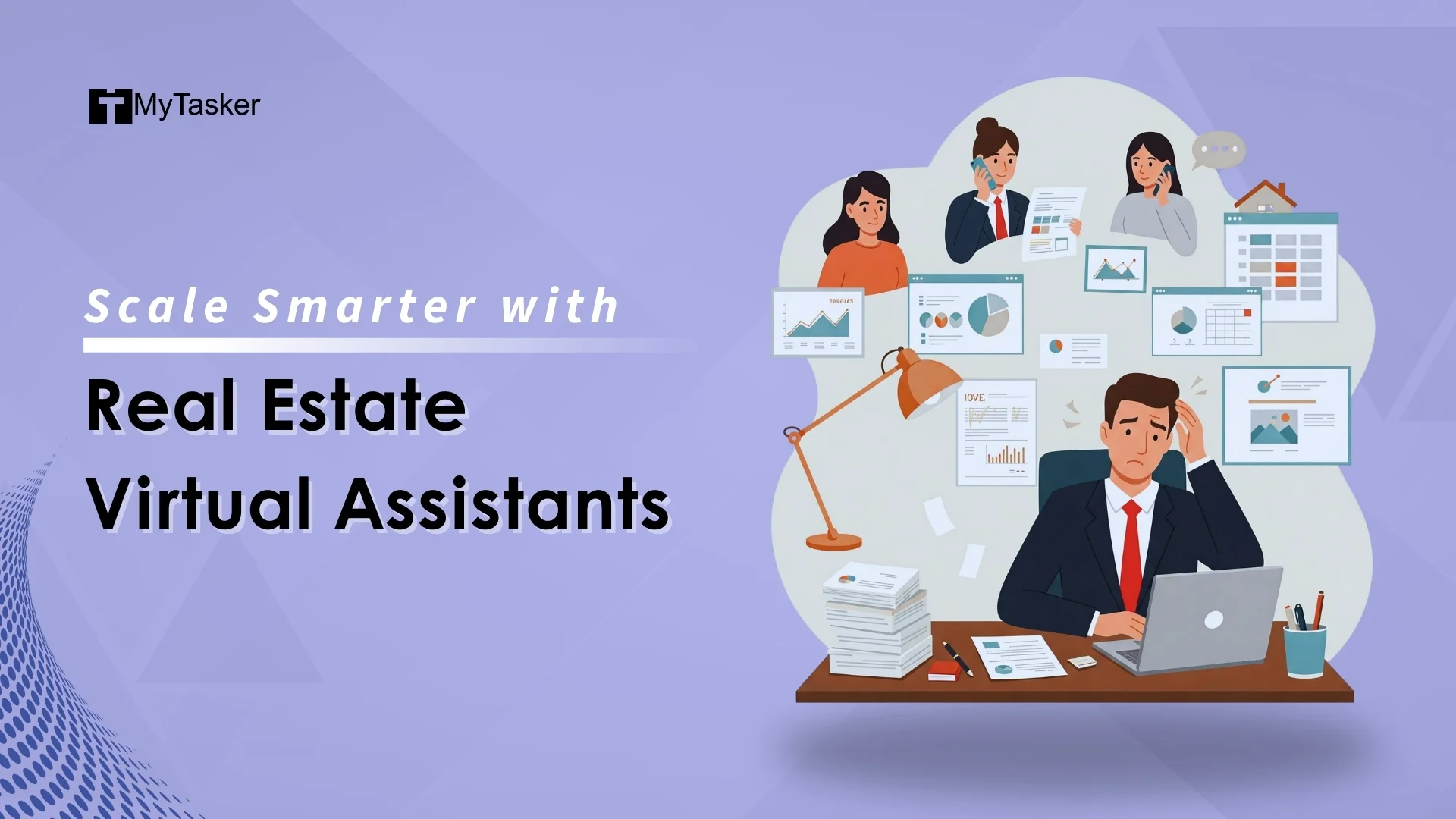
- Real Estate Lead qualification and property inquiries.
- E-commerce Order tracking and returns automation.
- Financial Services Account assistance and fraud alerts.
Benefits of AI Voice Agents
💰 Cost ReductionCompanies reduce staffing costs significantly.
⚡ SpeedInstant response improves conversion rates.
📈 Revenue GrowthFaster engagement increases sales opportunities.
😊 Customer SatisfactionNatural conversations improve experience.
Psychological Advantages
AI voice agents leverage behavioral psychology:
🧠 Immediate response bias — customers trust fast responders
🎯 Consistency principle — scripted flows improve persuasion
🤝 Conversational trust — voice feels more human than text
Voice creates emotional connection.
AI Voice vs Chatbots
| Feature | Voice Agent | Chatbot |
| Interaction | Spoken | Text |
| Speed | Faster | Moderate |
| Emotion | High | Low |
| Accessibility | Universal | Limited |
| Use cases | Calls & automation | Web support |
Voice often converts better because it feels human.
📞 Building an AI Voice Agent
Step 1: Define Use Case Support, sales, booking, or outbound calls.
Step 2: Choose Technology Common stack:
- Speech recognition APIs
- LLM provider
- Text-to-speech engine
- Telephony platform
- Workflow automation
Step 3: Conversation Design Important elements:
- Greeting
- Intent detection
- Clarification
- Action
- Closing
Step 4: Integration Connect with:
- CRM
- Calendars
- Databases
- Payment systems
Conversation Design Example
Customer: I want to book an appointment
AI: Sure, what day works best for you?
Customer: Friday
AI: Morning or afternoon?
Customer: Morning
AI: You’re booked for Friday at 10 AM. Confirmation sent.
Simple, natural, efficient.
Advanced Capabilities
🚀 Emotion detection
🚀 Multilingual conversations
🚀 Personalization using data
🚀 Real-time analytics
🚀 Predictive responses
Future systems will be nearly indistinguishable from humans.
Challenges and Limitations
⚠️ Speech recognition errors
⚠️ Accent variability
⚠️ Context understanding gaps
⚠️ Integration complexity
⚠️ Privacy concerns
However, technology is improving rapidly.
Security and Compliance
Important considerations:
🔒 Data encryption
🔒 Authentication
🔒 Call recording policies
🔒 Regulatory compliance (HIPAA, GDPR, etc.)
ROI of AI Voice Agents
Example:
- 3 human agents cost: $120k/year
- AI agent cost: $15k/year
- Savings: $105k/year
Plus increased conversions.
ROI is often achieved within months.
Future of AI Voice Technology
 |
 |
 |
 |
- Deeper AI integration
- Hyper-realistic voices
- Emotional intelligence
- Autonomous business agents
- AI employees replacing roles
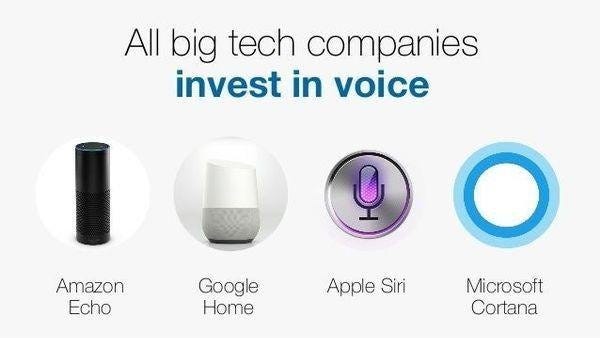
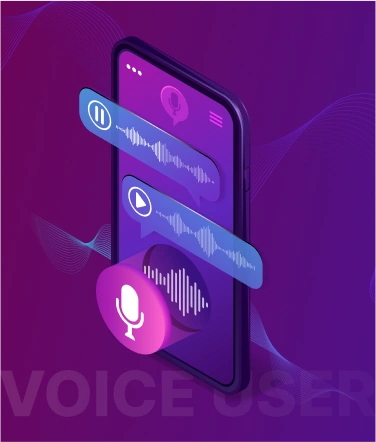
- Voice-first computing
Voice may become the primary interface for technology.
AI Voice Agents as Digital Employees
The biggest shift:Businesses will hire AI workers instead of humans for repetitive tasks.
Roles likely replaced:
- Call center agents
- Receptionists
- Appointment schedulers
- Lead qualifiers
- Support agents
Humans will focus on complex work.
Implementation Strategy for Businesses
- Best approach:
- Start with one use case
- Measure performance
- Improve conversation flows
- Expand automation
- Scale across departments
Gradual adoption works best.